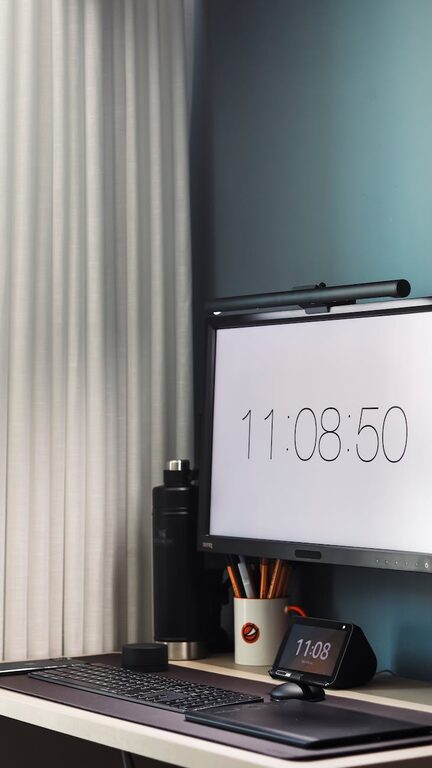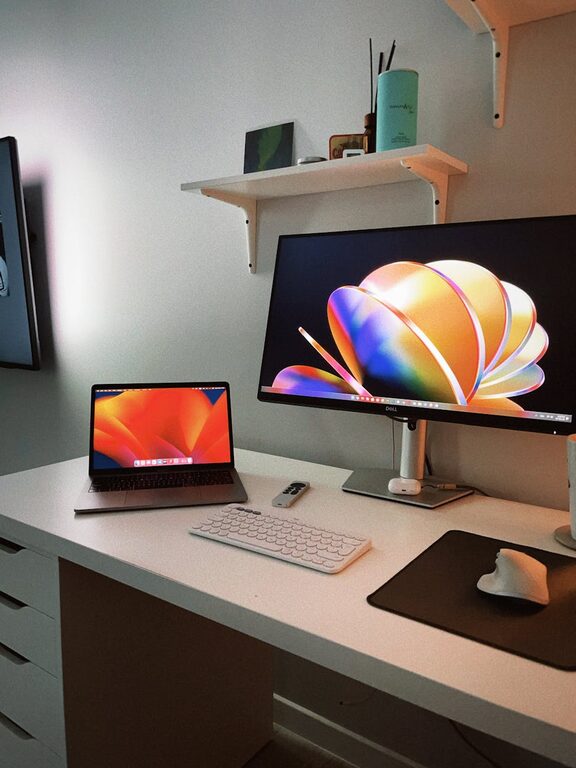



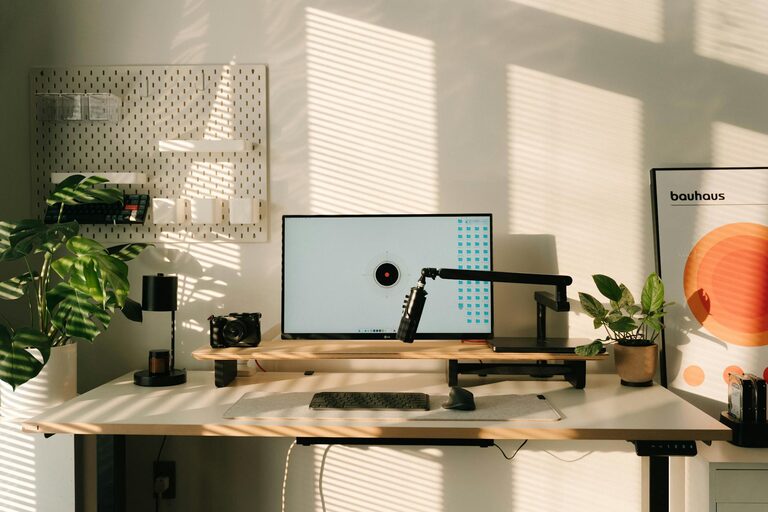
Creating a relaxing home workspace is key to maintaining focus, improving productivity, and supporting your overall well-being. Whether you work full-time from home or manage occasional tasks, how your workspace looks and feels can make a big difference in how you perform. In this post, we’ll explore practical tips to help you design a home workspace that promotes calmness and efficiency.
Why a Relaxing Workspace Matters
Your environment affects your mood and energy levels. A cluttered, uncomfortable, or chaotic space can lead to stress and distraction. On the other hand, a well-designed, relaxing workspace can reduce anxiety, help you focus better, and keep you motivated throughout the day.
Choose the Right Location
Quiet and Low Traffic Area
Select a space that minimizes interruptions and background noise. If possible, set up your workspace in a quiet corner, spare room, or area away from common household activities.
Natural Light and Ventilation
Position your desk near a window to take advantage of natural light, which can boost your mood and help maintain a healthy sleep cycle. Fresh air circulation is also beneficial, so consider opening a window or using an air purifier if needed.
Invest in Comfortable and Ergonomic Furniture
Ergonomic Chair
Choose a chair that supports your lower back and encourages good posture. Comfort prevents aches and keeps you focused for longer periods.
Adjustable Desk or Workspace
If possible, use a desk that can be adjusted for sitting and standing positions. Changing posture throughout the day can increase circulation and reduce fatigue.
Organize and Declutter
Keep Essentials Within Reach
Arrange your most-used items—like pens, notebooks, and chargers—close by to minimize distractions caused by searching for supplies.
Tidy Up Regularly
A clutter-free workspace reduces stress and helps keep your mind clear. Set aside time each day to tidy your desk and put things back in their place.
Add Calming Elements
Use Soothing Colors
Soft blues, greens, or neutral tones can have a calming effect. You might consider repainting your workspace walls or adding accessories in these colors.
Incorporate Plants
Indoor plants not only brighten up your space but also improve air quality and lower stress levels. Easy-to-care-for varieties like succulents or pothos are great choices.
Personal Touches
Include items that make you feel good, such as photos, artwork, or meaningful objects, but avoid overdecorating which can create visual clutter.
Manage Lighting Effectively
Layered Lighting
Combine natural light with warm, adjustable artificial lighting. Desk lamps or floor lamps with dimmer switches can help prevent eye strain, especially during evening hours.
Avoid Screen Glare
Position your computer screen to minimize glare from windows or lights, which can cause headaches and reduce comfort.
Minimize Noise and Distractions
Use Noise-Cancelling Headphones
If your environment is noisy, headphones can help you focus by blocking out distractions.
Soft Background Sounds
Some people find gentle background music or white noise helpful for concentration and relaxation.
Breaks and Movement
Schedule Short Breaks
Regular breaks are essential to refresh your mind and body. Use reminders or timers to stand up, stretch, or walk around every hour.
Create a Stretch or Relaxation Spot
If space allows, set up a small corner with a comfortable chair or a yoga mat where you can do relaxing stretches or mindfulness exercises during breaks.
Technology and Connectivity
Reliable Internet Connection
Ensure your workspace has a stable internet connection to avoid frustrating interruptions.
Cable Management
Use cable organizers or clips to keep cords tidy and out of the way, reducing clutter and hazards.
Maintain a Routine
Start and End Times
Having defined working hours helps separate work life from personal life even within the same space.
Daily Planning
Use planners, calendars, or apps to organize your tasks and prioritize effectively.
—
Creating a relaxing home workspace involves thoughtful choices to make your environment both comfortable and supportive of your work habits. By focusing on ergonomics, organization, lighting, and calming elements, you can boost productivity while taking care of your well-being. Remember, small changes can make a big difference in how you feel and perform every day. Take your time to personalize your setup, and enjoy the benefits of a workspace that truly works for you.