


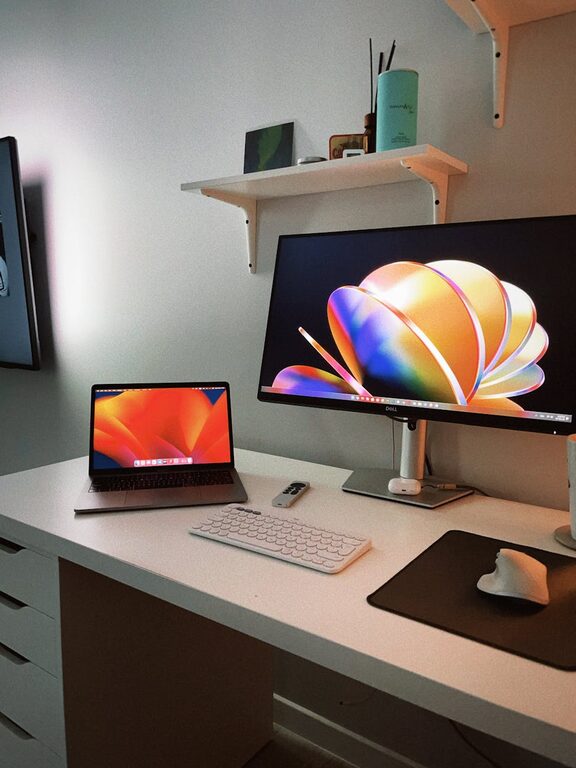
Working from home has become a common part of life for many people, making it more important than ever to create a workspace that supports both productivity and relaxation. A well-designed home office not only helps you stay focused but also promotes a positive mindset and reduces stress. In this post, we will explore practical tips to set up a home office environment where you can do your best work while feeling comfortable and calm.
Choose the Right Location
Find a Dedicated Space
Selecting a specific area in your home just for work can help create a clear boundary between professional and personal life. If possible, avoid setting up your workspace in high-traffic or noisy zones like the kitchen or living room. A quiet corner, spare room, or unused nook can make a great home office.
Consider Natural Light
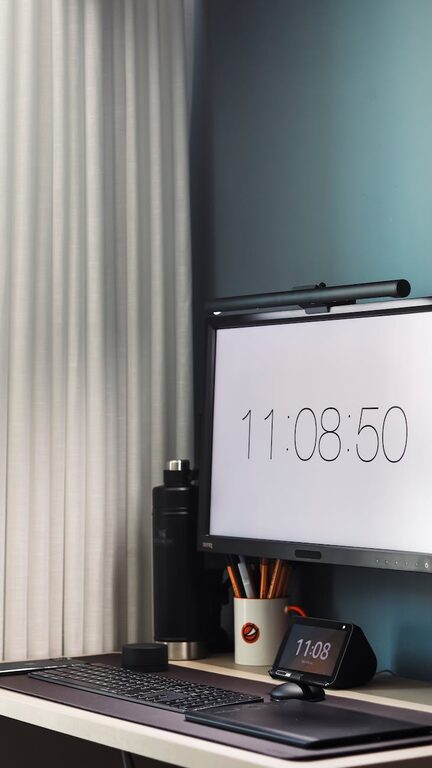
Natural light is a simple way to brighten your space and improve mood and alertness. Position your desk near a window to soak up daylight, but be mindful of glare on your screen. If natural light is limited, good-quality artificial lighting can help reduce eye strain and keep you energized.
Invest in Comfortable and Functional Furniture
Choose an Ergonomic Chair
Spending long hours sitting makes an ergonomic chair essential. Look for a chair that supports your lower back, encourages good posture, and has adjustable height settings. Comfort will keep you focused and prevent aches at the end of the day.
Pick the Right Desk
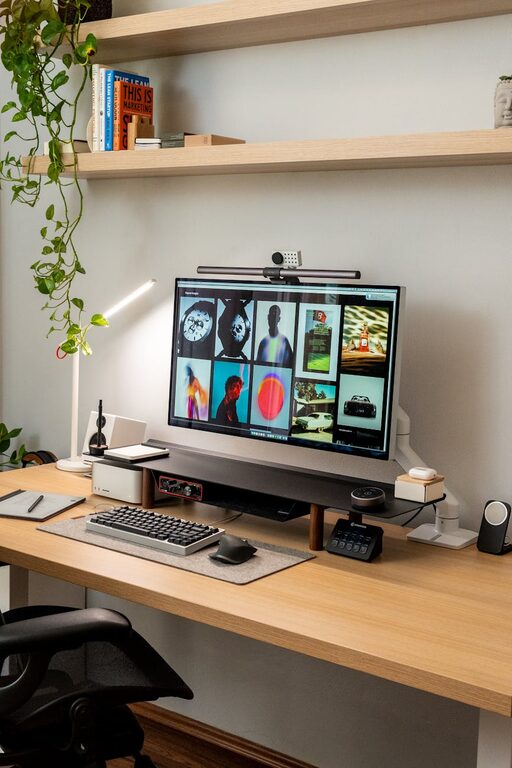
Your desk should fit your work style and space. Whether it’s a traditional desk, standing desk, or adjustable workstation, make sure it provides enough surface area for your computer, notebook, and other essentials without feeling cluttered.
Keep It Organized
Use Storage Solutions
Clutter can hurt productivity and create unnecessary stress. Use shelves, drawers, and organizers to keep supplies tidy and within reach. Labeling can also help you find things quickly and maintain order.
Declutter Regularly
Set aside a few minutes at the end of each day or week to tidy your workspace. Clearing away papers, cables, and other distractions helps reset your environment and sets a fresh tone for the next work session.
Personalize for Comfort and Inspiration
Add Calming Elements
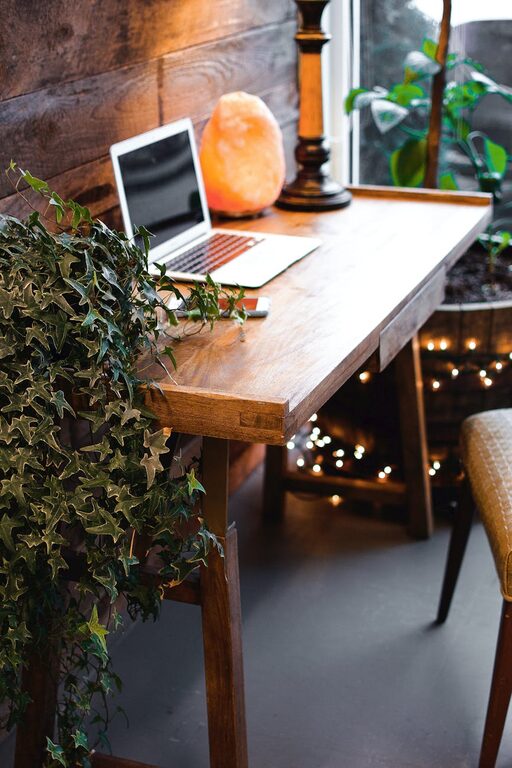
Incorporate items that help you relax, such as plants, photos, or artwork. Plants not only improve air quality but also add a touch of nature, which can boost mood and reduce stress.
Use Colors Wisely
Soft, neutral colors tend to create a calming atmosphere, while bright accents can add energy and creativity. Choose colors that make you feel peaceful yet motivated.
Minimize Distractions
Manage Noise Levels
Use noise-cancelling headphones or play gentle background music if your surroundings are noisy. White noise machines or apps can also help mask distractions.
Control Technology Interruptions
Turn off non-essential notifications and set specific times to check emails or messages. This helps keep your focus on tasks without constant interruptions.
Pay Attention to Air Quality and Temperature
Ventilation Matters
Fresh air supports concentration and overall well-being. Open windows when possible or use air purifiers to maintain good air quality.
Maintain a Comfortable Temperature
A room that’s too hot or too cold can disturb your focus. Adjust your heating, cooling, or use a fan to keep the temperature comfortable.
Create a Routine and Respect Boundaries
Set a Schedule
Establishing consistent work hours can improve productivity and create a healthy work-life balance. Include regular breaks to stand, stretch, and refresh your mind.
Communicate Your Availability
If you share your home with others, clearly communicate your work times to minimize disruptions. Using a visible sign or setting expectations can help maintain those boundaries.
—
Creating a home office that is both relaxing and productive takes some planning but is well worth the effort. By focusing on location, comfort, organization, and personal touches, you can build a space that supports your goals and well-being. Remember, your home office should be a place where work feels enjoyable and sustainable, not stressful.
Start by making small changes and adjust as you discover what works best for you. A cozy, functional work area can boost your motivation, improve your focus, and make working from home a positive experience.