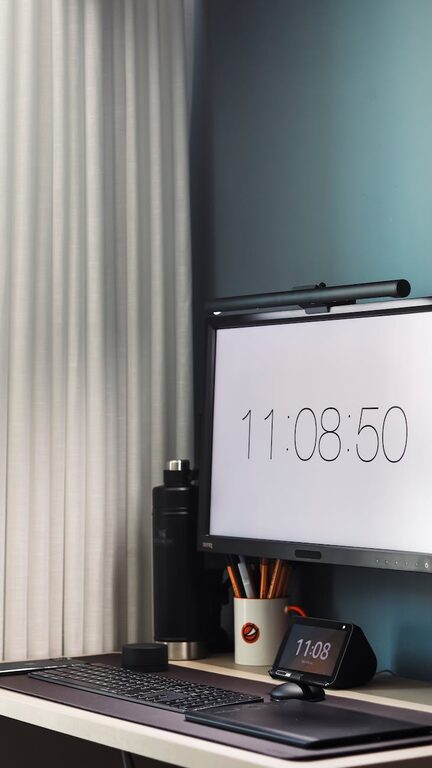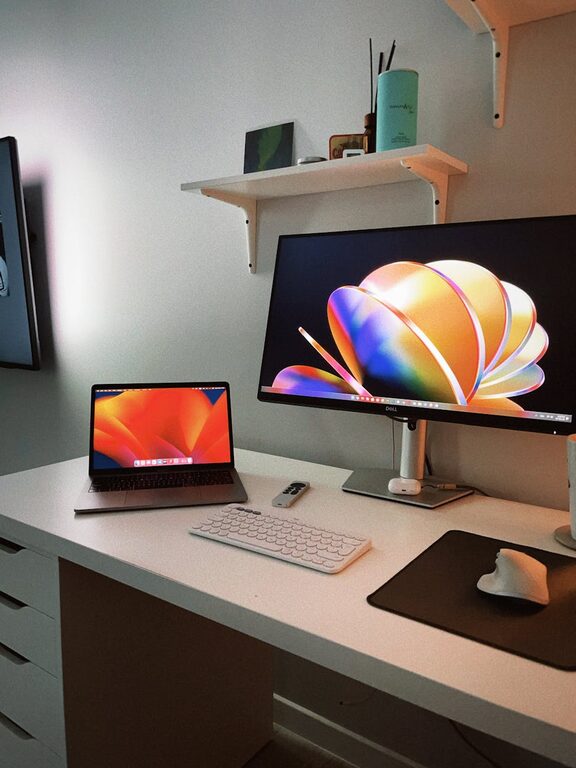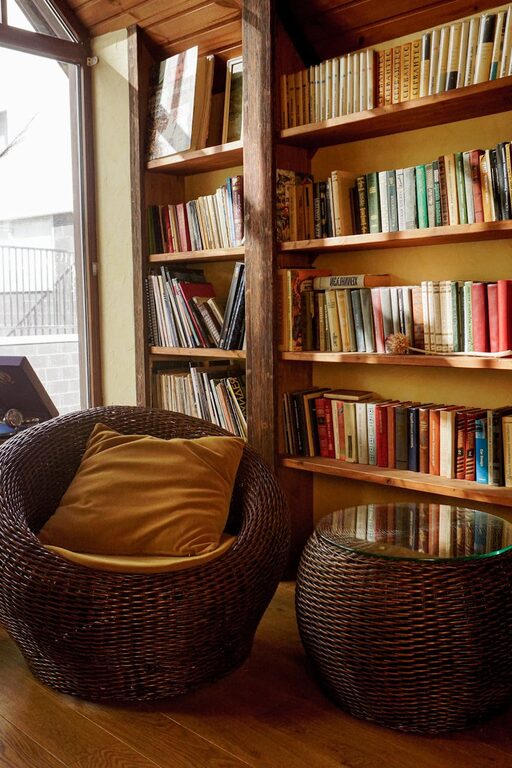



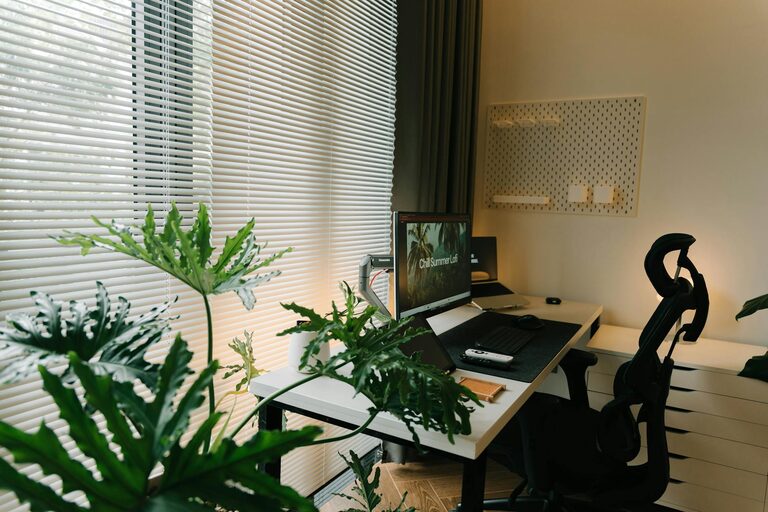
Working from home has become a common part of many people’s lives, making the home office an essential space. A well-designed home office can balance comfort and productivity, creating an environment where you can focus and feel relaxed. Whether you have a small corner or a dedicated room, these tips will help you transform your workspace into a cozy and efficient area.
Choose the Right Location
Finding the right spot in your home is the first step. Consider areas with:
– Natural light: A space near a window helps reduce eye strain and lifts your mood.
– Minimal distractions: Choose a quiet area away from heavy foot traffic, noisy appliances, or loud conversations.
– Adequate space: Make sure the area fits your desk, chair, and any equipment you need without feeling cramped.
If you don’t have a separate room, a corner in the living room or bedroom can work well with proper arrangement.
Invest in Comfortable and Ergonomic Furniture
Your office furniture greatly impacts comfort and productivity:
– Desk: Opt for a desk with enough surface area for your computer, documents, and accessories. Adjustable desks that allow sitting or standing are a bonus.
– Chair: Invest in a chair that supports good posture. Features like adjustable height, lumbar support, and cushioning reduce the risk of back pain.
– Ergonomics: Position your monitor at eye level and keep your keyboard and mouse within easy reach.
Comfortable furniture helps reduce fatigue and keeps you focused throughout the day.
Organize and Declutter the Space
A tidy office encourages clear thinking:
– Use shelves, drawers, or storage boxes to keep documents, supplies, and gadgets organized.
– Keep only essentials on your desk.
– Regularly declutter to avoid accumulation of unused items.
– Cable management tools can keep cords neat and prevent accidents.
An organized space saves time and mental energy, promoting efficiency.
Incorporate Personal Touches
Adding a bit of personality makes your workspace inviting:
– Include artwork or photos that inspire you.
– Choose colors that suit your mood—calming blues or energizing yellows, for example.
– A cozy rug or soft cushions can add warmth.
– Plants are ideal for improving air quality and providing a refreshing atmosphere.
Personal touches can keep your workspace enjoyable, which supports sustained productivity.
Optimize Lighting
Good lighting reduces eye strain and enhances focus:
– Maximize natural light whenever possible.
– Use adjustable task lighting like desk lamps for focused work.
– Avoid harsh overhead lighting or glare on screens.
– Consider warm-toned bulbs for a cozy ambience.
Proper lighting protects your eyes and creates a comfortable setting.
Set Boundaries for Work and Breaks
Maintaining a routine helps balance work and rest:
– Designate your home office as a work-only zone to mentally separate tasks.
– Use visual or physical cues to mark the workspace—closing the door or layout changes.
– Schedule regular breaks away from your desk to refresh.
– Inform family or housemates about your work hours to minimize interruptions.
Clear boundaries help maintain productivity and prevent burnout.
Use Technology to Your Advantage
Enhance your workflow with helpful tools:
– Noise-canceling headphones can block distractions.
– Wireless devices reduce cable clutter.
– Use apps and tools for time management, task tracking, and communication.
– Ensure reliable and fast internet access for smooth virtual meetings.
The right technology support keeps your work seamless and efficient.
Maintain Good Air Quality
Fresh air supports alertness and well-being:
– Open windows regularly to ventilate.
– Use an air purifier if necessary.
– Keep indoor plants that naturally purify the air.
– Avoid strong smells or chemicals near your workspace.
Good air quality improves concentration and comfort during long work sessions.
—
Creating a cozy and productive home office is about balancing comfort with functionality. By thoughtfully selecting your location, investing in ergonomic furniture, organizing efficiently, and personalizing your space, you can build a home office that supports your best work. Remember, small adjustments can make a big difference in your everyday comfort and efficiency. Happy decorating!