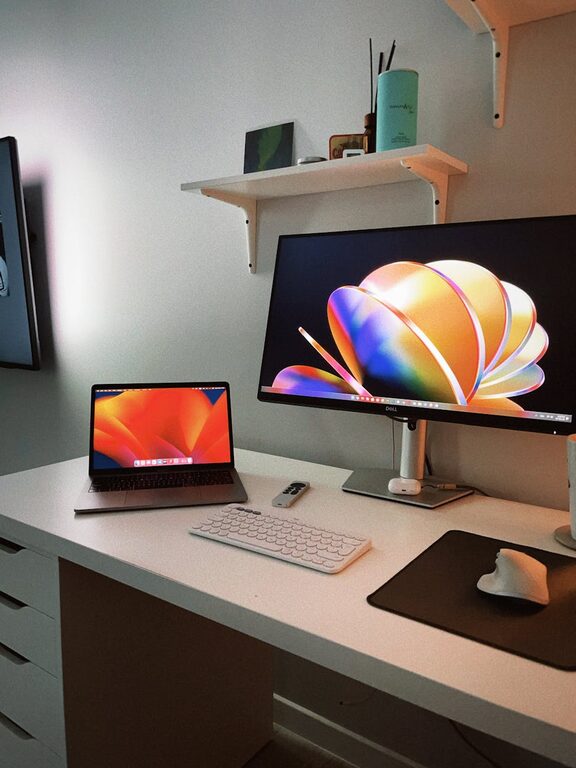




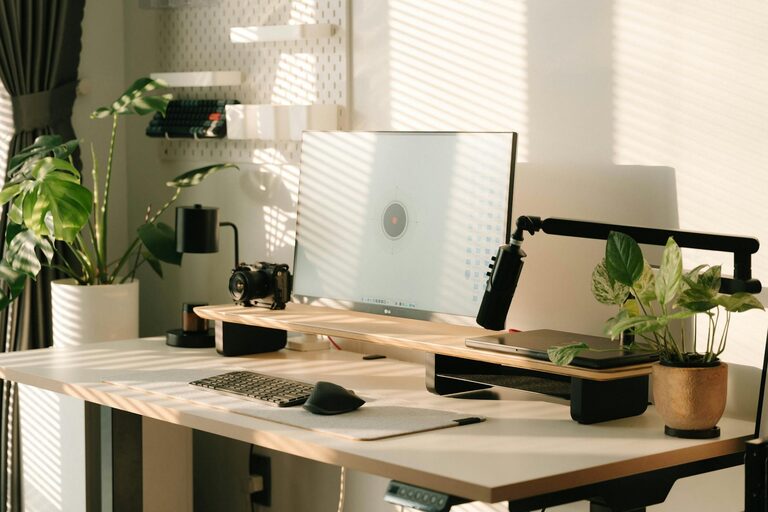
Creating a home workspace that is both sustainable and organized can significantly improve your productivity, reduce stress, and support an eco-friendly lifestyle. Whether you work from home occasionally or full-time, designing a space that is functional and mindful of the environment helps you stay focused and comfortable. Below are practical tips to help you build a workspace that balances green living with efficient organization.
Why Choose a Sustainable and Organized Workspace?
A workspace that values sustainability minimizes environmental impact by using resources thoughtfully. It often involves choosing products made from recyclable or renewable materials and reducing waste. An organized workspace, meanwhile, keeps clutter at bay, making it easier to find what you need and maintain concentration.
Together, these principles promote well-being. A clean, tidy, and eco-conscious setup enhances creativity and reduces fatigue, making your workday more enjoyable.
—
Planning Your Workspace Layout
Find the Right Spot
Choose a location with good natural light and ventilation. Daylight not only saves energy but also boosts mood and focus. Near a window is ideal, but if that’s not available, invest in energy-efficient LEDs that mimic natural light.
Optimize Space Efficiency
Work with what you have by measuring your area before purchasing furniture. Consider compact desks or multi-purpose furniture that can serve more than one function to save space and reduce excess items.
—
Choosing Sustainable Furniture and Supplies
Opt for Eco-Friendly Materials
Look for desks and chairs made from sustainable or recycled materials, like bamboo, reclaimed wood, or metal. Avoid plastic-heavy options. Many manufacturers now offer eco-certified office furniture that combines durability with environmental responsibility.
Prioritize Ergonomics
Sustainable doesn’t mean compromising on comfort. Ergonomic chairs and adjustable desks support posture and reduce strain, keeping you healthy over long work hours.
Buy Secondhand or Upcycle
Check local thrift stores, online marketplaces, or office supply exchanges for pre-loved items. Refurbishing secondhand furniture is sustainable and usually budget-friendly.
—
Organizing for Efficiency and Minimal Waste
Declutter Regularly
Keep only what you use daily on your desk. Store seldom-used materials in labeled bins or drawers. Regular purging of unnecessary items prevents build-up and maintains a tidy environment.
Use Eco-Friendly Storage Solutions
Choose storage options made from natural materials like fabric bins, wooden boxes, or metal organizers instead of plastic. These not only look stylish but last longer and have less environmental impact.
Implement a Paperless System
Reduce paper waste by digitizing notes, documents, and invoices. Use cloud storage services or external hard drives to keep important files safe and accessible. When printing is necessary, use recycled paper and print double-sided.
—
Energy Savings and Green Technology
Power-Efficient Devices
Select laptops, monitors, and printers with energy-saving certifications. Turn off devices fully when not in use instead of leaving them on standby to save electricity.
Smart Lighting
Use desk lamps with adjustable brightness and timers to avoid wasting light. Position your workspace to maximize natural light during daylight hours.
Recycle Electronics Responsibly
When upgrading or disposing of old electronics, use certified e-waste recycling centers. This prevents harmful materials from polluting the environment.
—
Personalizing Your Space Mindfully
Adding personal touches can make your workspace inviting without adding clutter or waste.
Use Plants
Indoor plants improve air quality and create a calming atmosphere. Choose easy-care varieties and pots made from sustainable materials.
Eco-Friendly Décor
Add art or decorations made from recycled or natural materials. Avoid plastic trinkets or items that don’t serve a purpose.
Sustainable Stationery
Opt for refillable pens, natural fiber notebooks, and biodegradable desk accessories. These choices reduce waste and encourage responsible consumption.
—
Maintaining Your Sustainable Workspace
Daily Habits
Make tidying part of your routine. Put away items immediately after use and wipe surfaces regularly to maintain cleanliness.
Periodic Reviews
Every few months, reassess your workspace. Remove items that no longer serve you and update your supplies to stay aligned with sustainable goals.
Encourage Mindful Consumption
Be thoughtful about new purchases, choosing quality over quantity and favoring eco-conscious brands.
—
Conclusion
Creating a sustainable and organized home workspace requires thoughtful planning and ongoing care. By choosing eco-friendly furniture, reducing clutter, managing energy wisely, and personalizing your area with intention, you build an environment that supports productivity and sustainability. These small changes can make a big difference for your work life and the planet. Start with one or two tips and gradually transform your workspace into a place that inspires you every day.