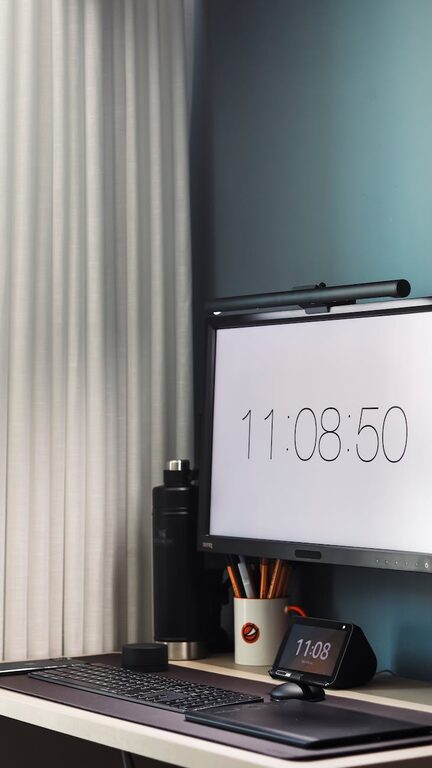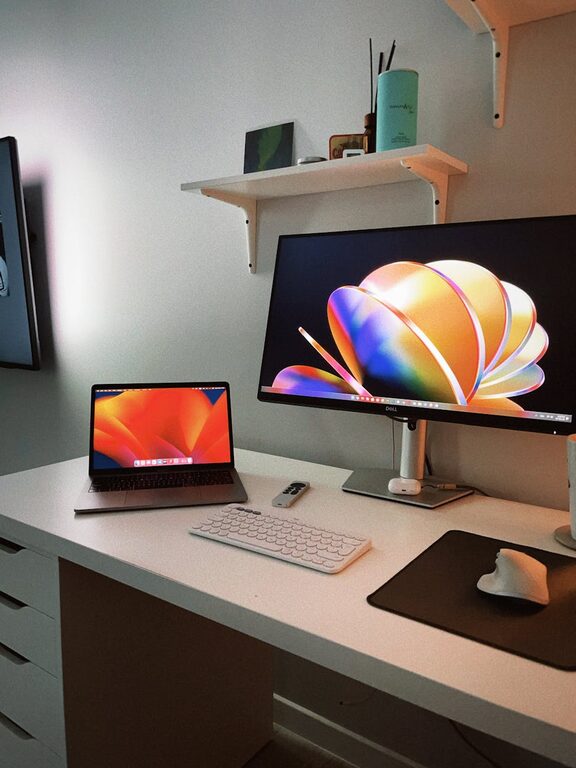



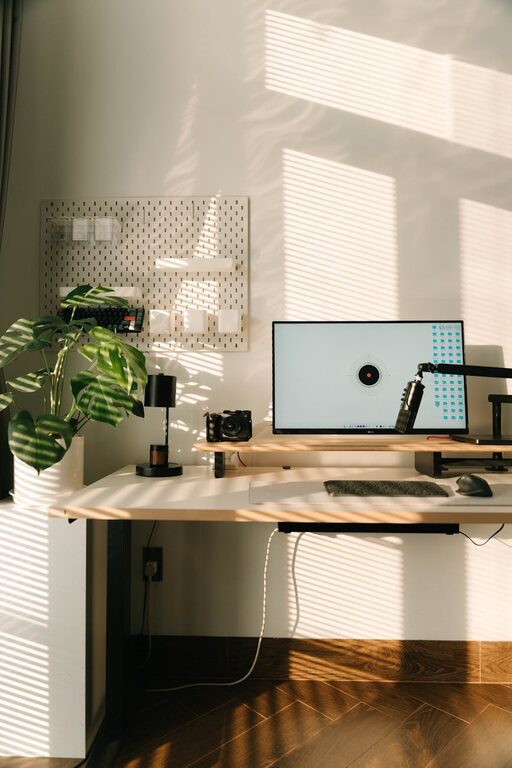
Creating a relaxing home office environment is essential for maintaining focus, reducing stress, and boosting productivity. Whether you work remotely full-time or occasionally from home, the space you use can have a significant impact on how you work and feel throughout the day. Here are some practical tips to help you design a stress-free and inviting home office.
Choose the Right Location
Find a Quiet Spot
Select a location in your home where you can minimize distractions. Ideally, this is a quiet corner, a spare room, or an area away from heavy foot traffic and noise. A peaceful spot helps you concentrate and maintain a calm mindset.
Natural Light is Key
If possible, set up your office near a window. Natural light not only brightens the space but has been shown to improve mood and energy levels. Avoid harsh glare by positioning your desk perpendicular to the window.
Invest in Comfortable Furniture
Ergonomic Chair
Investing in a quality ergonomic chair supports your posture and reduces strain during long hours of work. Look for adjustable height, lumbar support, and comfortable cushioning.
Desk Considerations
Choose a desk that fits your space and workflow. It should be large enough to hold your essentials without clutter. Standing desks or adjustable sit-stand desks are great for varying your posture.
Organize Your Workspace
Declutter Regularly
A clean and tidy workspace promotes a clear mind. Use organizers, trays, or drawers to keep supplies neatly stored away. Set aside time daily or weekly to declutter your desk.
Cable Management
Manage cords and cables with clips, sleeves, or ties to prevent tangling and mess. A neat cable setup reduces distractions and makes the space visually appealing.
Personalize Your Space
Add Plants
Indoor plants not only add a touch of nature but can improve air quality and create a calming atmosphere. Choose easy-to-care-for varieties like succulents, snake plants, or pothos.
Display Inspiring Items
Keep a few personal or inspiring items on your desk, such as photos, artwork, or motivational quotes. These can boost your mood and make your workspace feel welcoming.
Control Lighting and Ambience
Use Soft Lighting
In addition to natural light, use desk lamps or floor lamps with warm bulbs to create a cozy ambiance. Avoid overly bright or harsh overhead lights.
Consider Aromatherapy
If you enjoy scents, use a diffuser with calming essential oils like lavender or eucalyptus. Aromatherapy can contribute to relaxation without being overpowering.
Set Boundaries and Routine
Define Work Hours
Establish clear work hours to help separate work from personal time. This boundary supports mental well-being and helps you maintain a healthy work-life balance.
Take Regular Breaks
Schedule short breaks to stretch, hydrate, or simply rest your eyes. Using timers or apps can help remind you to pause regularly and reduce burnout.
Minimize Noise Distractions
Use Noise-Cancelling Headphones
If your environment is noisy, invest in noise-cancelling headphones or earbuds. Listening to instrumental music or white noise can further enhance focus.
Soundproof Where Possible
Add rugs, curtains, or cushions that absorb sound. These simple additions can reduce echo and outside noises, making your space quieter.
Incorporate Technology Wisely
Reliable Equipment
Ensure your computer, internet connection, and accessories are reliable. Technical problems can create frustration and interrupt your workflow.
Keep Digital Files Organized
Just like physical clutter, digital clutter can be distracting. Use folders, cloud services, and backups to keep your files well organized.
Maintain Clean Air and Temperature
Ventilation Matters
Good air circulation keeps your workspace fresh and prevents stuffiness. Open windows when possible or use air purifiers to maintain good air quality.
Comfortable Temperature
Keep your office at a comfortable temperature to avoid discomfort and distractions. Use fans or heaters as needed but avoid extremes.
—
Designing a relaxing home office is about combining functionality with a peaceful atmosphere. By paying attention to lighting, furniture, organization, and personal touches, you can create a workspace that supports productivity and well-being every day. Take the time to make your office a place where you want to spend time—it will pay off in focus and comfort.